
Why your online business needs blogs

There are numerous compelling reasons for businesses to maintain a blog, but one of the most significant is its potential to boost keyword rankings and increase organic search traffic.
A primary factor in how many terms a website can rank for in search engines is its size. Simply put, the more pages indexed, the more chances there are to rank for various keywords. For small to medium-sized businesses, however, there’s a practical limit to how many service, product, or case study pages can fit on a site without making it cluttered and difficult to navigate. Once this limit is reached, blogging becomes an invaluable strategy to continue expanding your content without overwhelming your core website.
For most websites, the difference between a compact, 50-page site and an extensive 500-page one often comes down to a blog. Blogging is essential for Search Engine Optimization (SEO) and traffic growth because it allows a business to add fresh, relevant content continuously, targeting a wide array of keywords in the process.
One common hesitation about blogging is, “What should I write about?” The answer is simple: write about topics that incorporate your keywords. A blog is the perfect space to address topics within your industry, which makes it ideal for creating content around the long-tail keywords you want to rank for.
This guide covers how to use a blog effectively to increase your organic traffic.

How to Use a Blog to Boost Organic Traffic
Understand Your Target Audience
A fundamental part of any successful blog strategy is knowing your audience. Imagine trying to sell oranges to someone who wants apples. Sure, you might sell a few, but it would be far easier to succeed if you offered what they were looking for. Knowing your target audience allows you to create content that speaks directly to their interests and needs.
Begin by developing a clear buyer persona. This persona represents your ideal customer and helps shape your content strategy to better engage with the audience you want to reach. Your buyer persona can be built through market research, as well as by analyzing data on your existing customers. Understanding your audience’s preferences allows you to tailor your content more effectively, making it a “honey trap” that attracts the right visitors.
Remember that audiences can evolve over time. Periodically reassess your buyer persona to ensure that your content continues to resonate with your target demographic.
Identify Target Keywords
It’s unlikely that you’ll rank for highly competitive keywords like “blog” right away. However, by focusing on long-tail keywords, you can capture significant search traffic in a manageable way. For instance, rather than aiming to rank for “blog,” a phrase like “how to start a blog” or “benefits of blogging for business” might be more achievable.
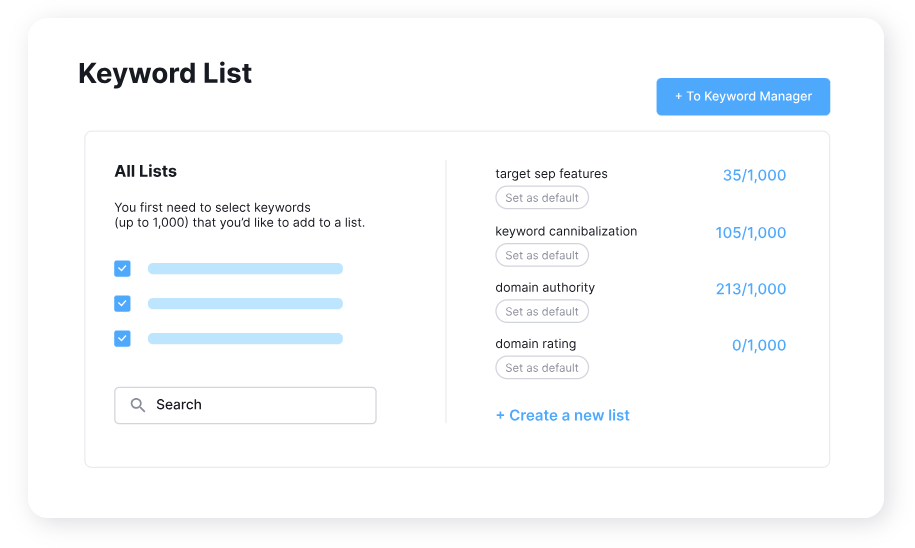
Long-tail keywords are specific phrases that often have lower search volumes but are also less competitive. They’re beneficial because they attract users who are looking for precise information. Using tools such as Google Keyword Planner, SEMRush, and Keywords Explorer can help you identify effective long-tail keywords for your blog. These tools generate related keywords when you enter a “seed” keyword, offering you a range of potential topics with varying difficulty levels and search volumes.
Consider three main factors when selecting keywords: search volume, keyword difficulty, and user intent.
- Search Volume: Monthly Search Volume (MSV) indicates how many people search for a keyword each month. This helps gauge potential traffic, although it’s not a predictor of success on its own.
- Keyword Difficulty: Many keyword research tools provide a difficulty score, indicating how hard it is to rank on the first page for a specific term. If the keyword is highly competitive, look for a related keyword with lower difficulty but reasonable search volume.
- Intent: Think about why people are searching for the keyword. Are they looking for general information, solutions, or specific products? Keywords like “blog” can be vague, while “how to use a blog for business” has a clearer intent, suggesting the user is seeking practical advice.
Optimize Your Blog Post for Keywords
Once you’ve identified your target keyword, optimizing your post for it is essential. Your chosen keyword should appear in critical areas to signal its relevance to search engines. Place the keyword in the following areas:
- SEO Title Tag: This is the clickable headline that appears in search results. Keep it under 70 characters to ensure it displays fully in search engine results pages (SERPs). Include the keyword near the beginning if possible.
- URL: While not the most important factor, a keyword-friendly URL is another positive signal for both search engines and readers. Use a short, descriptive URL structure that includes the keyword.
- Meta Description: This description appears below your URL in search results. Including the keyword here can make the listing more appealing, encouraging clicks.
- Article Title and Subheadings: The article title should naturally incorporate the keyword, as should any relevant subheadings. Subheadings help readers scan the content and decide if it’s relevant to their needs.
- Image Titles & Alt Text: Images are another opportunity to reinforce keywords. Use descriptive, keyword-rich alt text to help search engines understand the content, which also makes your content accessible to visually impaired users.
- Body Content: Keyword density (how frequently your keyword appears in the text) is an important factor. Aim for a natural frequency, ideally including the keyword every 100-200 words without forcing it.
- Create High-Quality Content
Ranking in search engines isn’t just about meeting technical requirements; it’s about providing valuable content. Focus on creating blog posts that offer fresh insights, address specific problems, and engage readers. Search engines prioritize content that offers quality, originality, and relevance.
Unique perspectives and new ideas can help your blog stand out, even in competitive niches. Look for angles that competitors might not have covered and aim to provide a richer, more thorough exploration of the topic.
Enhance Content with Links
Effective use of links can elevate your content’s credibility and authority. There are two main types of links to consider: interlinks and backlinks.
- Interlinks: Link to other relevant articles on your site to guide readers toward related content. Interlinking also helps keep visitors on your site longer, offering them more value and signaling to search engines that your content is comprehensive.
- Backlinks: Backlinks, or links from other sites to yours, are critical for establishing authority. Create “linkable” content like in-depth guides, infographics, or unique studies that other sites might want to reference. The more backlinks you earn, the more credible your site appears to search engines.

Publish Regularly
Consistency in publishing not only builds a loyal readership but also encourages search engines to index your site more frequently. When search engines recognize a site as frequently updated, they’ll crawl it more often, which can help new content appear in search results faster.
Publishing consistently doesn’t mean you have to post daily, but it’s important to establish a regular schedule. This consistency signals to both readers and search engines that your site is a reliable source of fresh content.
Ready to Start Growing Your Blog’s Traffic?
Blogging is a long-term strategy, and it takes time to see substantial results. A single blog post won’t turn your site into an industry authority overnight. However, with persistence and the regular application of these best practices, you’ll see growth over time. Building a relationship with your audience, establishing your site as a credible resource, and enhancing your SEO through blogging are all key steps toward increasing organic traffic and strengthening your online presence.
Professional Blogging Services for Your Website
Boost your website's SEO and drive more organic traffic with expert blogging services from eMerchantClub. Let us handle your content strategy, keyword optimization, and high-quality posts tailored to your business needs.